Skip to content
Chozen Foundation home
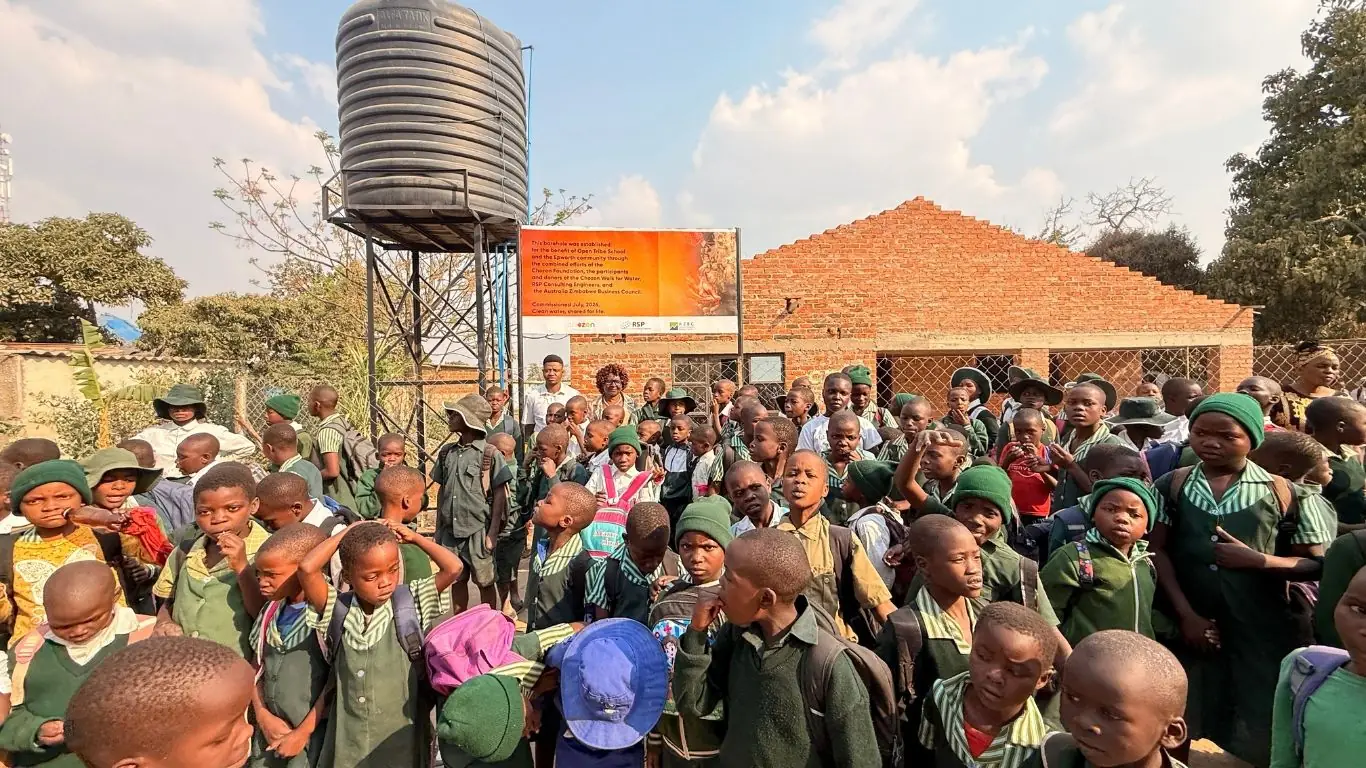
A large group of students in green school uniforms gathers in a schoolyard beside a water tank and a brick school building.

Resource a school. Change a community.

We equip under-resourced schools and children's homes in rural and high-density communities with the books, water, food and furniture they need, then help them become self-sufficient.

The problem

In rural Zimbabwe, the gap starts early and widens fast. Fewer than half of rural teenagers attend secondary school. Only two in three rural girls finish school, compared with nine in ten in the cities. Many classrooms have no desks, no textbooks and no clean water nearby.

A hungry child cannot concentrate. A thirsty child walks for water instead of learning. A child without a book falls behind before she has begun. In high-density suburbs like Epworth, the challenge looks different but is just as real: overcrowded classrooms, many children sharing a handful of books, and families stretched too thin to buy stationery.

  • 48%of rural teenagers attend secondary school, compared with 64% in towns and citiesADEA Knowledge Hub
  • 66%of rural girls completed school in 2019, against 90% of urban girlsUNICEF, via NewsDay
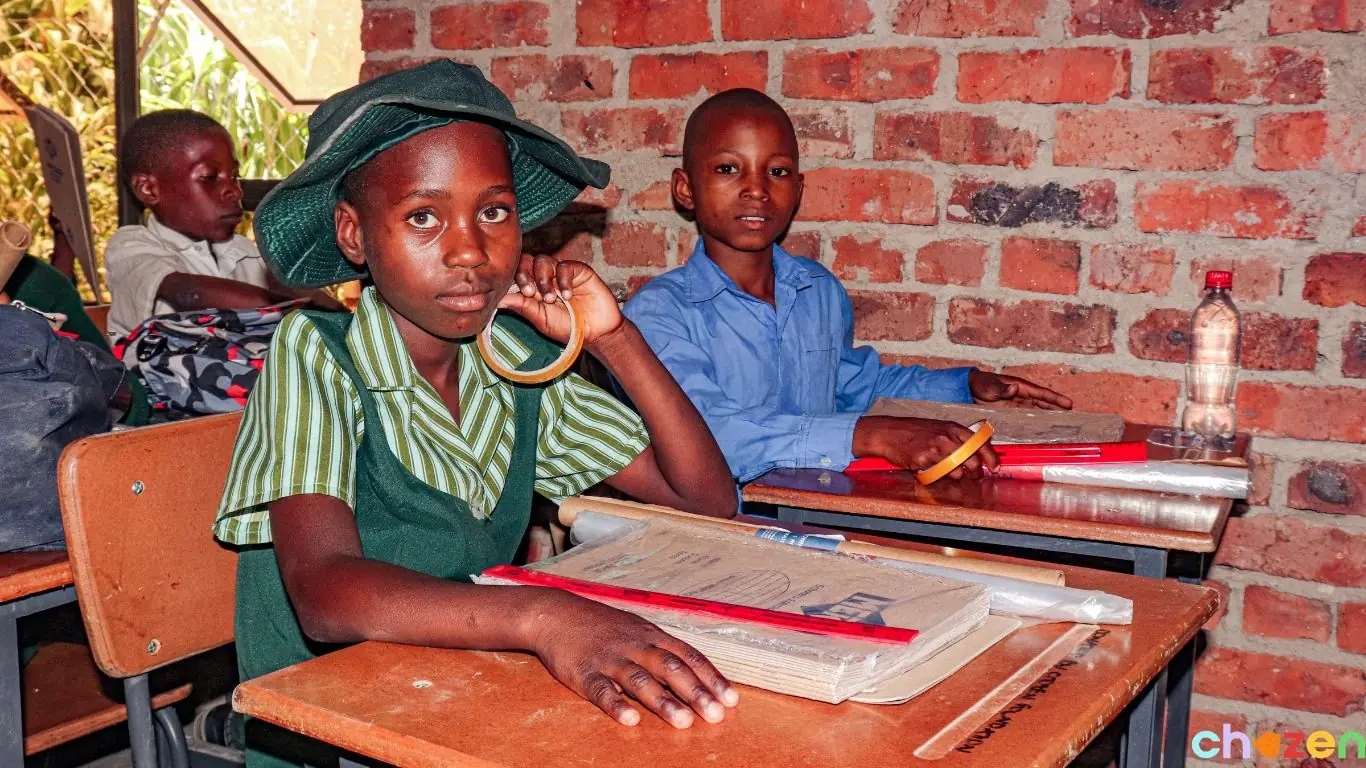
A schoolgirl measures with a ruler at her desk, beside a classmate.

Rural School Resourcing.

What we provide

  • Learning resources

    Reading books, textbooks, exercise books and stationery for primary and high school students.

  • Clean water

    Boreholes that give students, teachers and families safe water close to school.

  • Food security

    School farms that grow the food for daily meals, so children can learn on a full stomach.

  • Classrooms and furniture

    Building and furnishing classrooms where children currently learn under trees or in crowded rooms.

Stories.

Impact stories

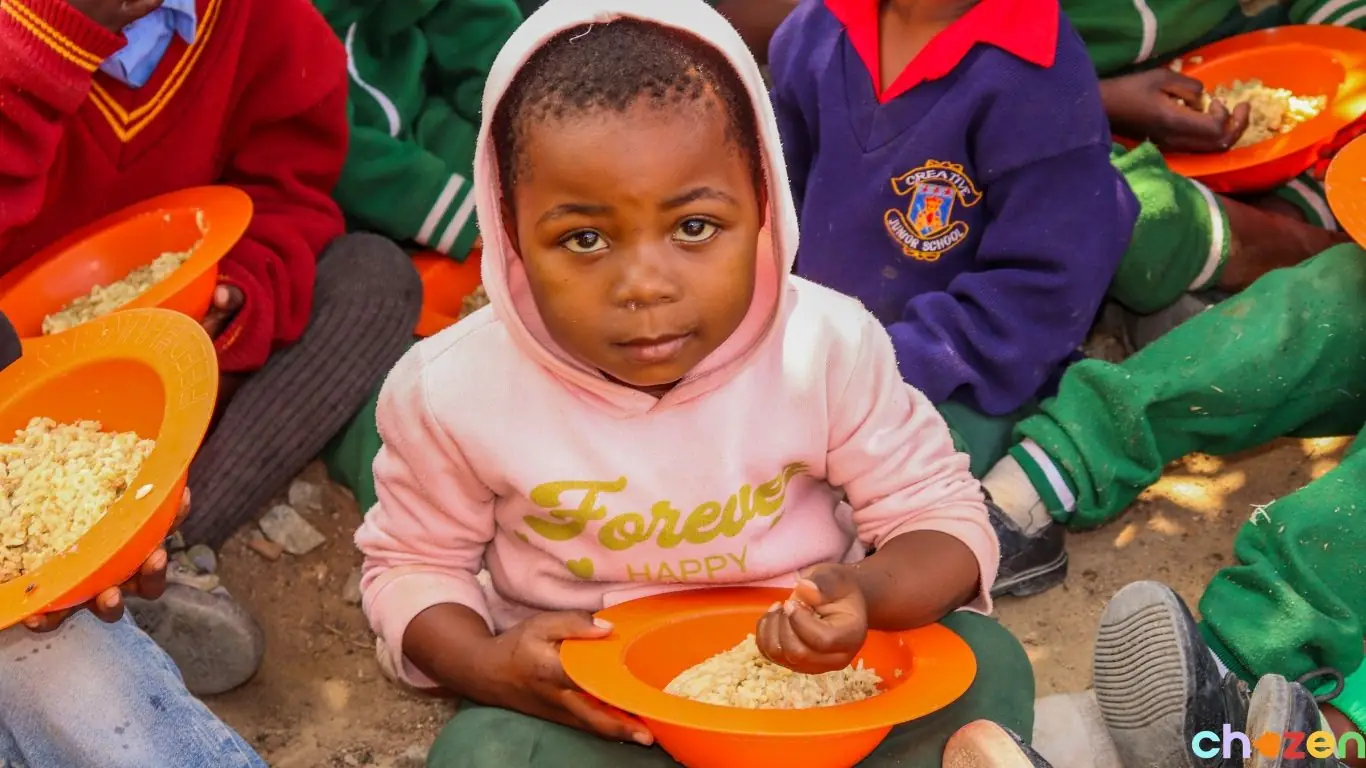
A young child in a pink hoodie eats a plate of food from the school farm, sitting among other children.

Simbaredenga Children's Home — food security through The Hutano Project

Through the farm at Simbaredenga, more than 500 orphans, students and teachers now eat three meals a day. The farm doesn't just feed children this term. It feeds them every term, and it teaches them how to grow food for themselves.
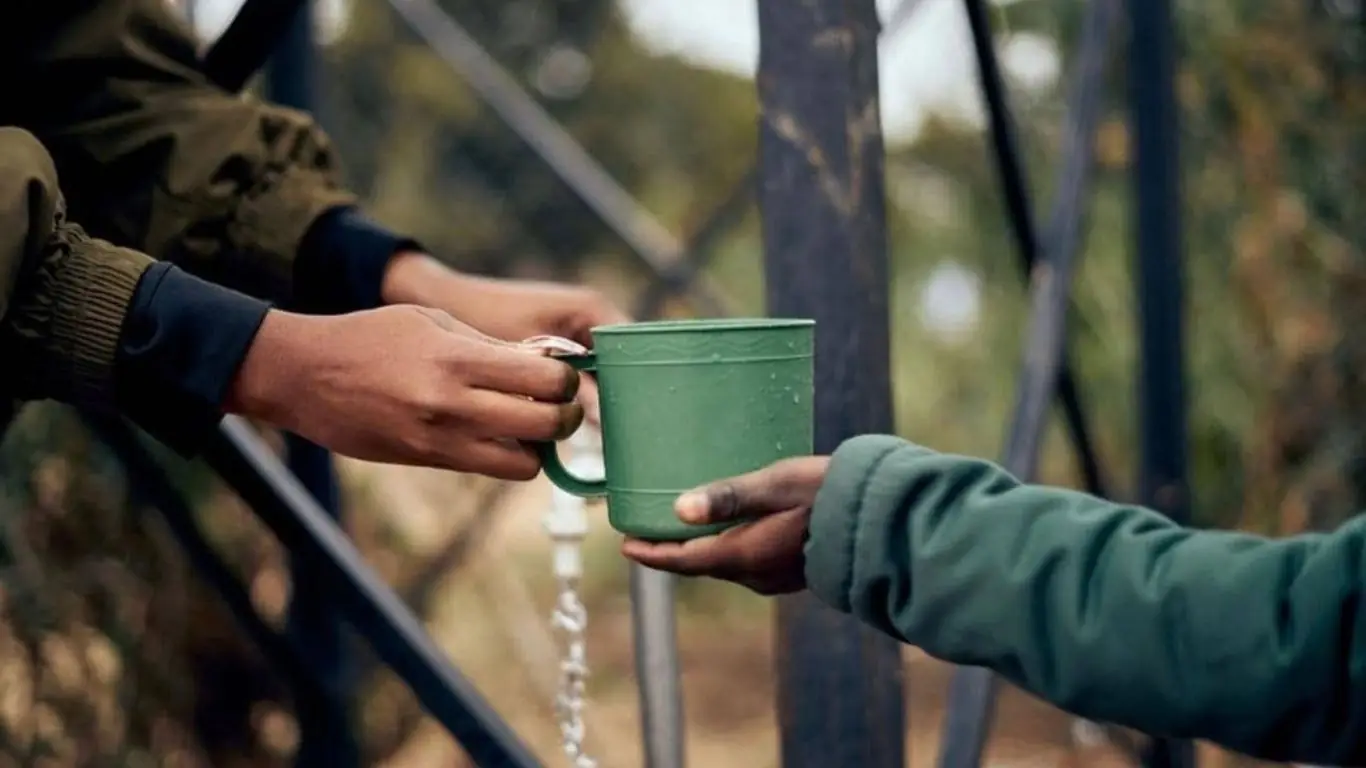
A child's hand reaches for a green cup of clean water at the new borehole.

Open Tribe School — clean water

Open Tribe School sits in Epworth, one of the most densely populated communities in Zimbabwe, and serves 131 children aged 4 to 13. When we first visited, there were no textbooks and the classrooms held only broken desks. Through the Open Tribe School Development Project we brought new textbooks, desks and chairs.

Clean water had been on our hearts since that first visit. In September 2026 we handed over a new borehole that now provides water to 500 students and staff every week. It was made possible by Walk for Water participants, our donors, RSP Consulting Engineers and the Australia Zimbabwe Business Council, and drilled by Pacific Boreholes Zimbabwe.

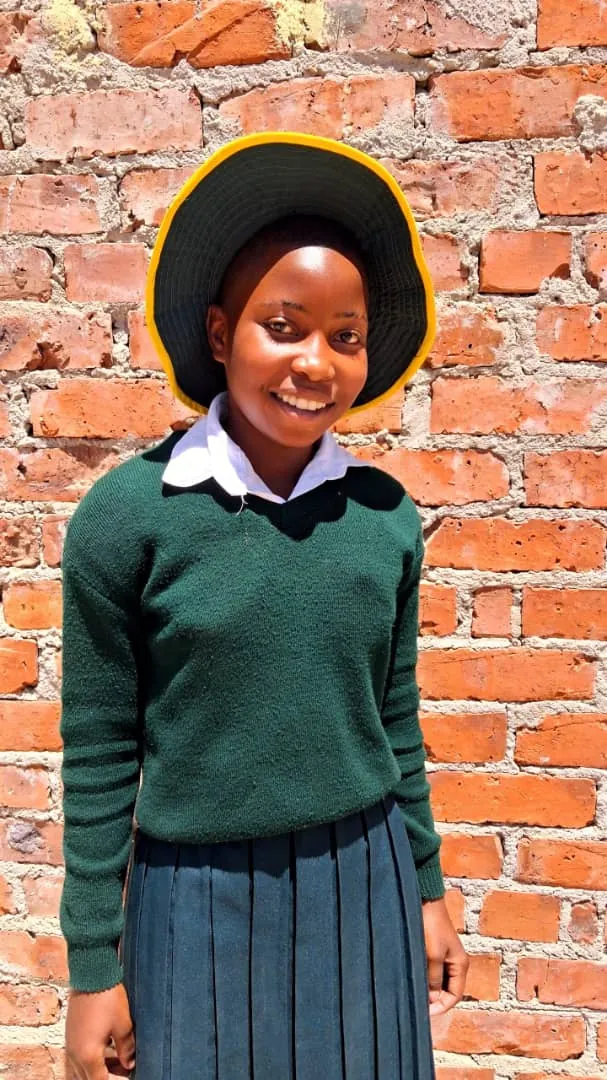
Amanda, smiling, in her green school jumper and wide-brimmed school hat in front of a brick wall.
Amanda, 13, Open Tribe Foundation Trust

In their words.

Amanda, 13: “I want to be a lawyer”

“Learning is now interesting because of the textbooks with clear and colourful pictures.”

Before Chozen Foundation stepped in, Amanda's school had only one textbook for each subject, and only the teachers used it. Teachers read comprehension passages aloud so students could answer the questions. There wasn't enough furniture, so students sat on the floor and wrote with their books in their hands. With no fence, the school's property was often stolen.

Amanda wants to become a lawyer. “I believe it is a noble job, suitable for me, helping the community. The school is helping me by encouraging me so that I can make good decisions to be successful.”

Read Amanda’s full story
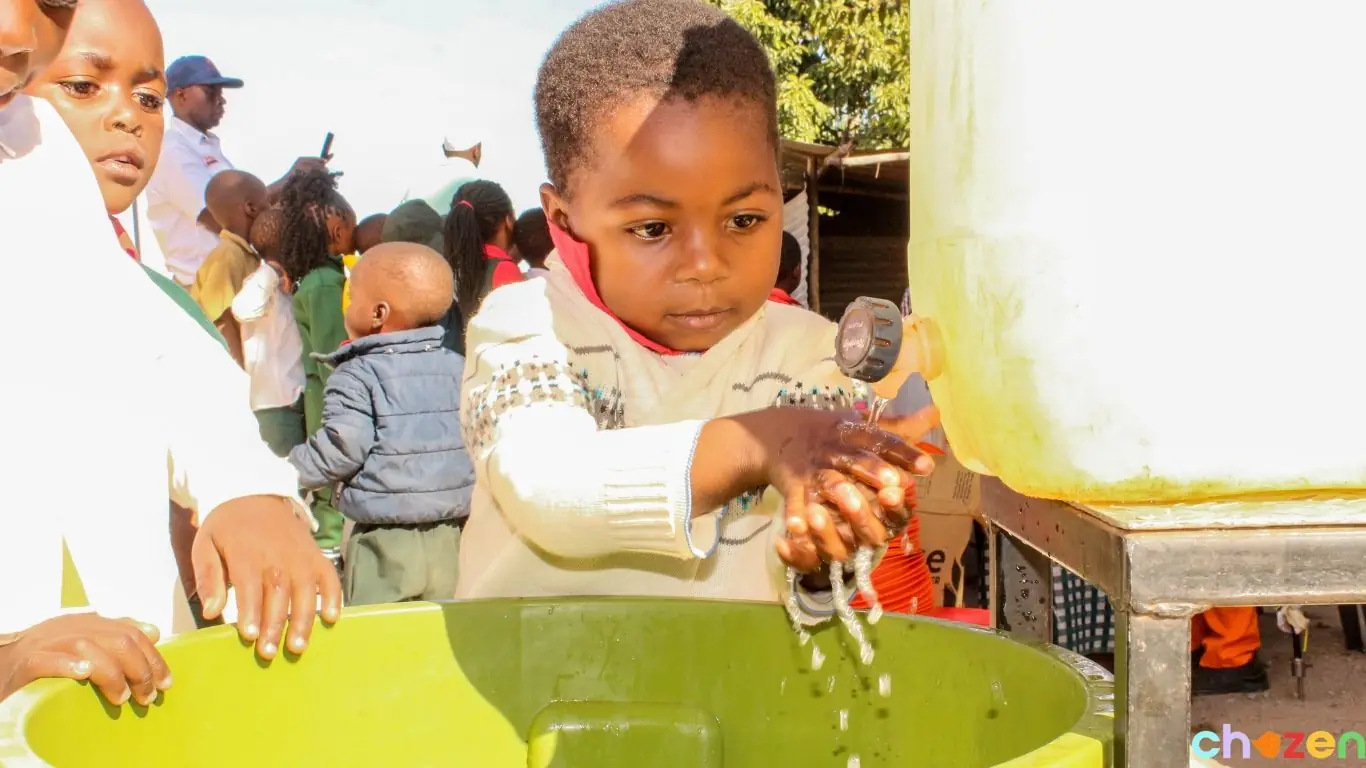
A young child washes their hands under the tap of a water tank at school.
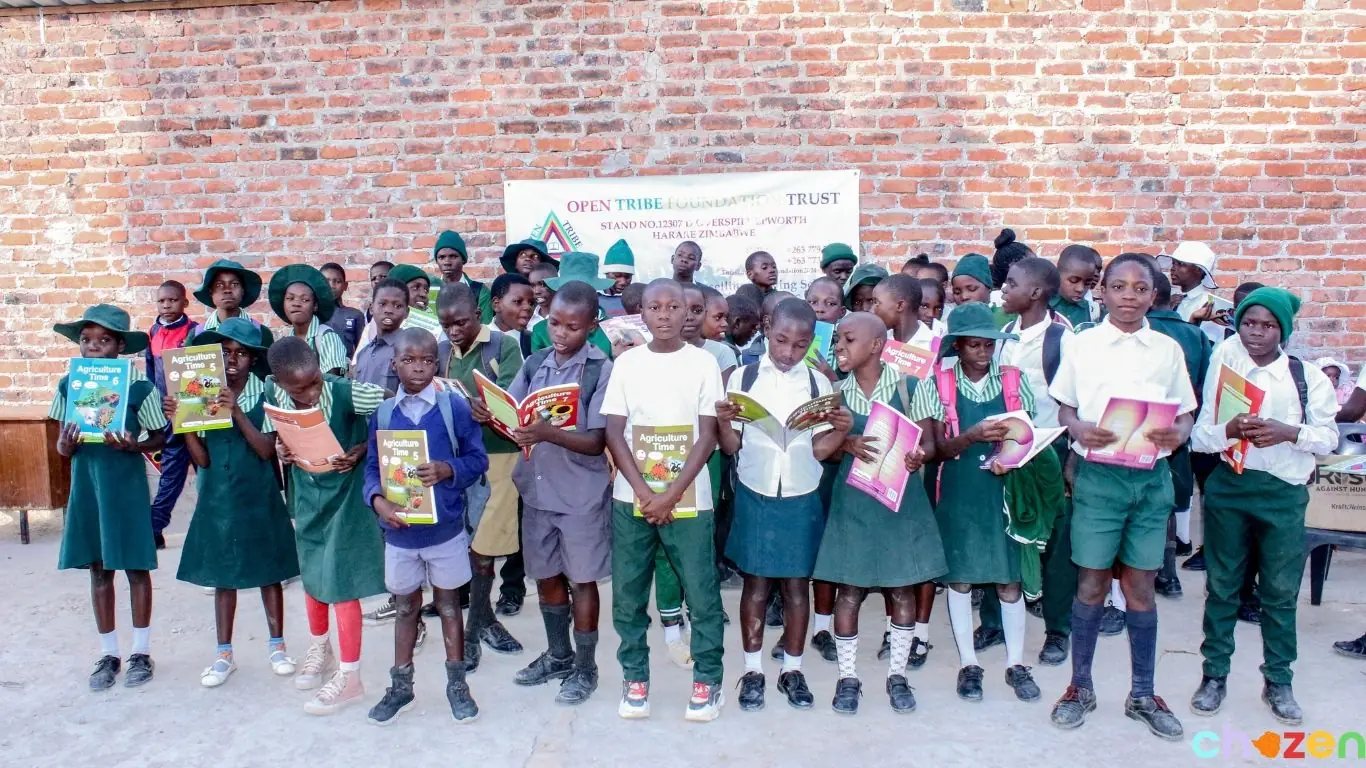
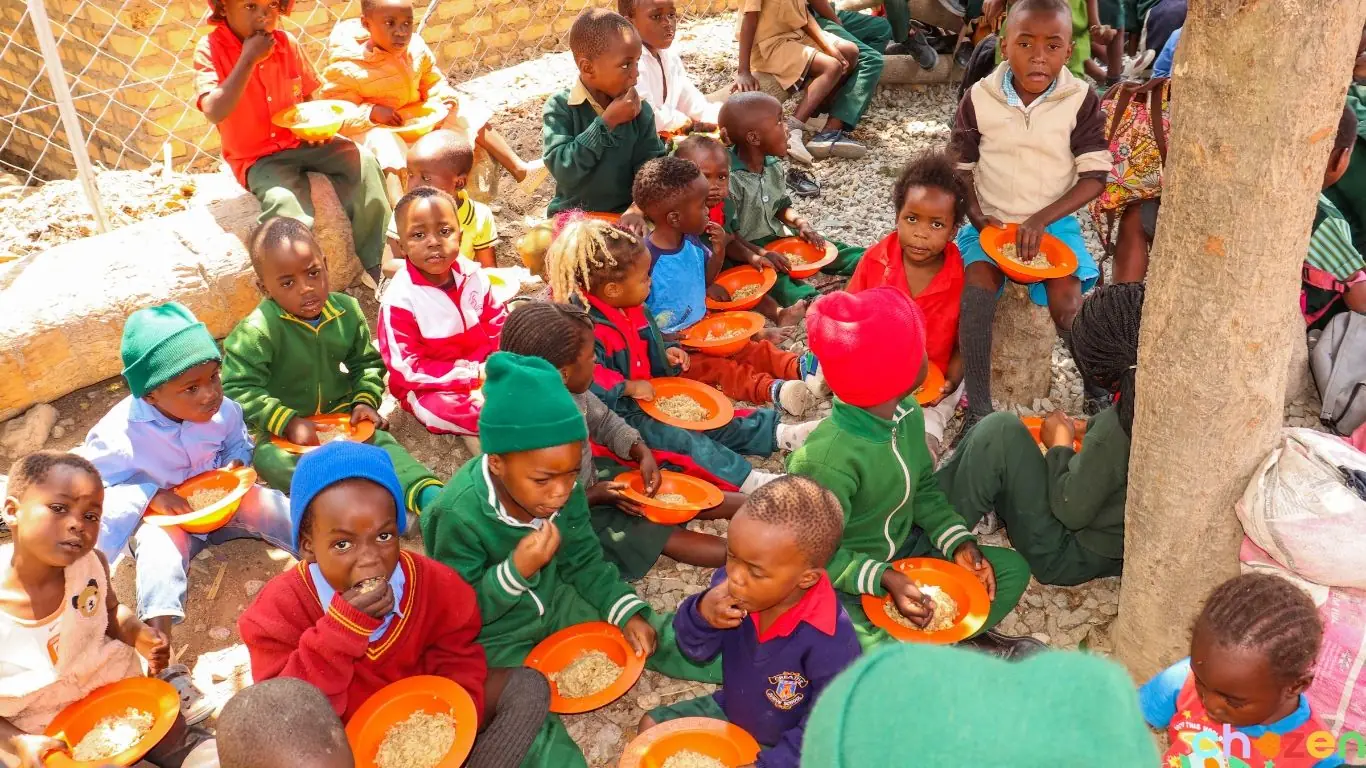
Students stand in a group outside their brick classroom, each holding up a new book.Children in school uniforms sit together under a tree, eating meals from orange plates.

How we work.

Our model: from support to self-sufficiency

  1. Identify

    With local ministries and our Community Partnerships Lead, we find schools and homes with the greatest need.

  2. Resource

    We deliver what unlocks learning first: books, water, food.

  3. Empower

    We set up farms and infrastructure that generate ongoing benefit.

  4. Hand over

    The school owns and runs it; we stay in touch and measure the change.

What your gift can do

Choose an amount (AUD)

A set of reading books and stationery for one child.

Give $25